
Building the World of Seussical
After designing the set and costumes for MTYP’s Tad & Birdy last season, Denyse Karn is back for our 2026/27 season with two very different worlds to bring to life: Peg and the Yeti and Seussical. We asked her about designing for young audiences, and translating the unmistakable style of Dr. Seuss to the stage.
Last season, you designed the set and costumes for Tad & Birdy at MTYP. Were there any lessons from that show that you’ll be thinking about when designing for MTYP again this season?
Tad & Birdy reminded me that young audiences are incredibly observant. They notice the smallest details, but they also understand the visual storytelling immediately. I’ll be carrying that lesson into both Peg and the Yeti and Seussical: every choice should be clear and purposeful, while still leaving room for surprise and imagination. The design also has to support the performers, the pace of the story, and the many quick shifts between worlds.
How do you design for a world like Seussical, where the rules of reality don’t apply?
I start by creating a set of visual rules for the production, even if the world itself appears to have no rules. For Seussical, those rules come through exaggerated shapes, bold colour and playful scale. Once that visual language is established, we can be wonderfully inventive while still making the world feel cohesive.
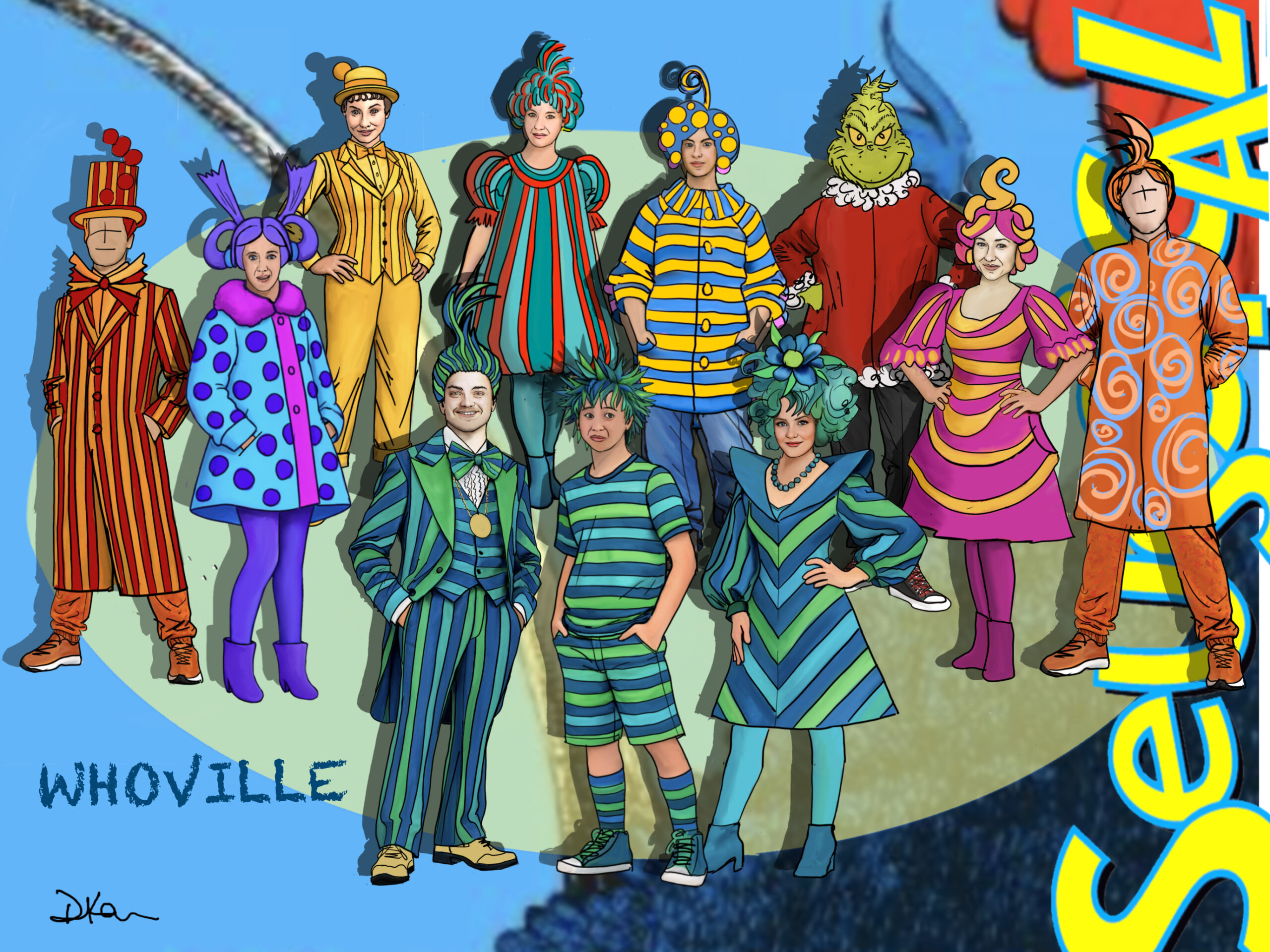
Dr. Seuss’s illustrations and characters are very familiar to audiences. How do you incorporate the signature Dr. Seuss style while still creating your own interpretation?
I’m not trying to reproduce the illustrations literally. Instead, I look at what makes them so recognizable: the curved lines, unusual proportions, strong silhouettes, vivid colour, and handmade quality. Then I translate those qualities into three dimensions and into materials that work onstage.
How do you make a character instantly recognizable to a young audience member? Does designing for children change your definition of what makes a successful costume?
I try to give each character one strong visual idea that is clear from a distance. The details can then add personality and humour. Designing for children doesn’t change my definition of a successful costume, but it does sharpen it: the costume needs to communicate quickly, support the actor physically and work in a very active production.
What’s the most unexpected thing you’ve had to make or source for a production?
I think almost every production has something unexpected. For Tad & Birdy, creating large-scale props and set pieces was both great fun and a fascinating challenge. We had to figure out how to make everything look enormous, as though the actors were only six inches tall.
What do you want a child to notice when they first see the world you’ve created?
I hope their first response is delight and curiosity. I want the world to feel as though it has sprung off the page and is still in motion, somewhere they immediately want to explore. Then, as the story unfolds, I hope they keep discovering small details and surprises that help them connect with the characters and imagine what might happen next.
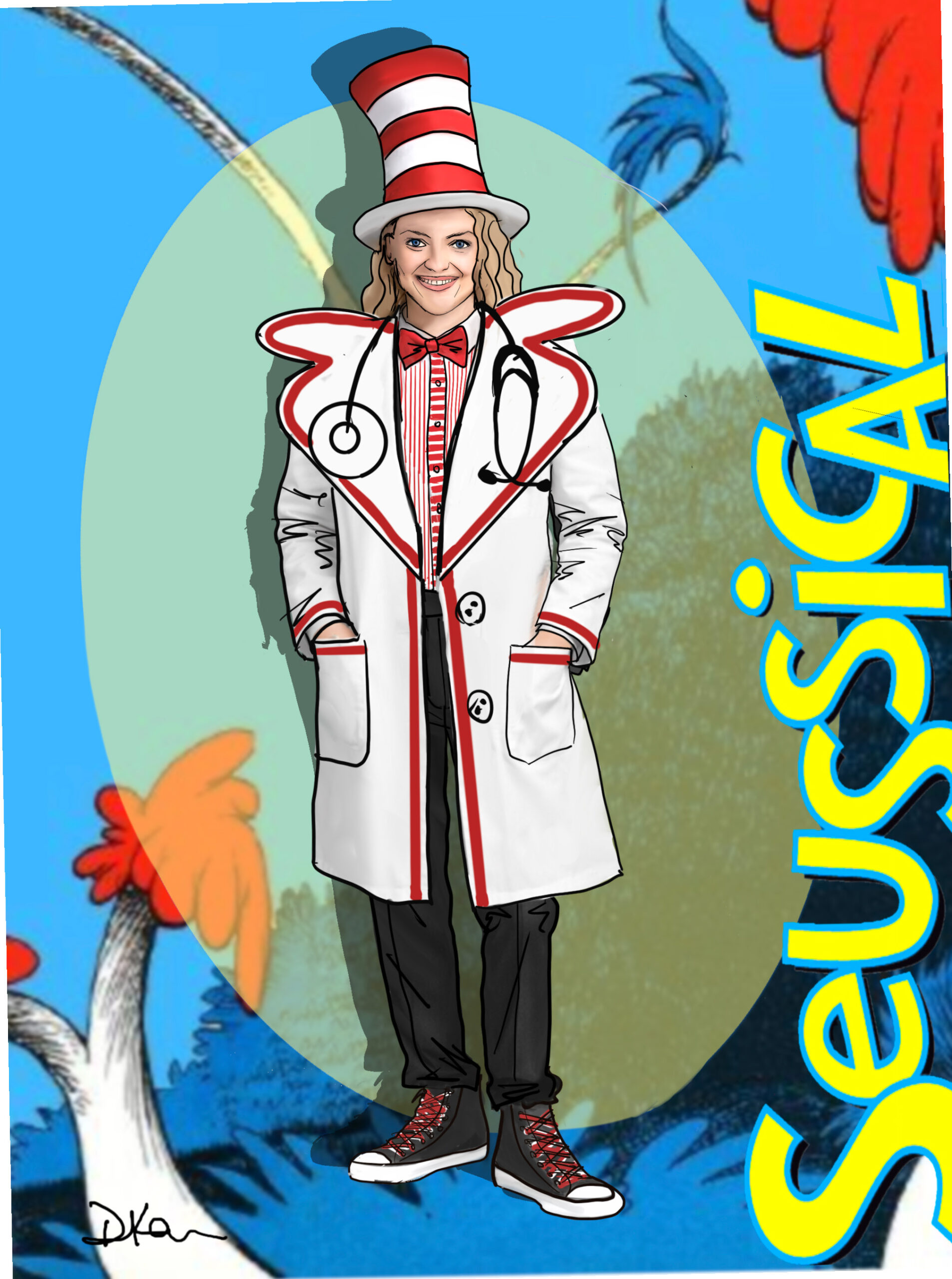
Seussical runs on the MTYP Mainstage from December 4-23. Click here to get tickets online!
